Design Thinking: Transforming Complex Problems into Innovative Solutions
• 10 min read
A comprehensive exploration of design thinking methodology, practical techniques, and real-world application strategies
Design Thinking: Solving Complex Problems Through Human-Centered Design
Design thinking represents a revolutionary approach to problem-solving that places human needs and experiences at the core of innovation strategies.
The Design Thinking Philosophy
Design thinking transcends traditional problem-solving by:
- Emphasizing empathy and human experience
- Encouraging iterative and experimental approaches
- Breaking complex challenges into manageable stages
- Promoting cross-functional collaboration
- Generating innovative, user-centric solutions
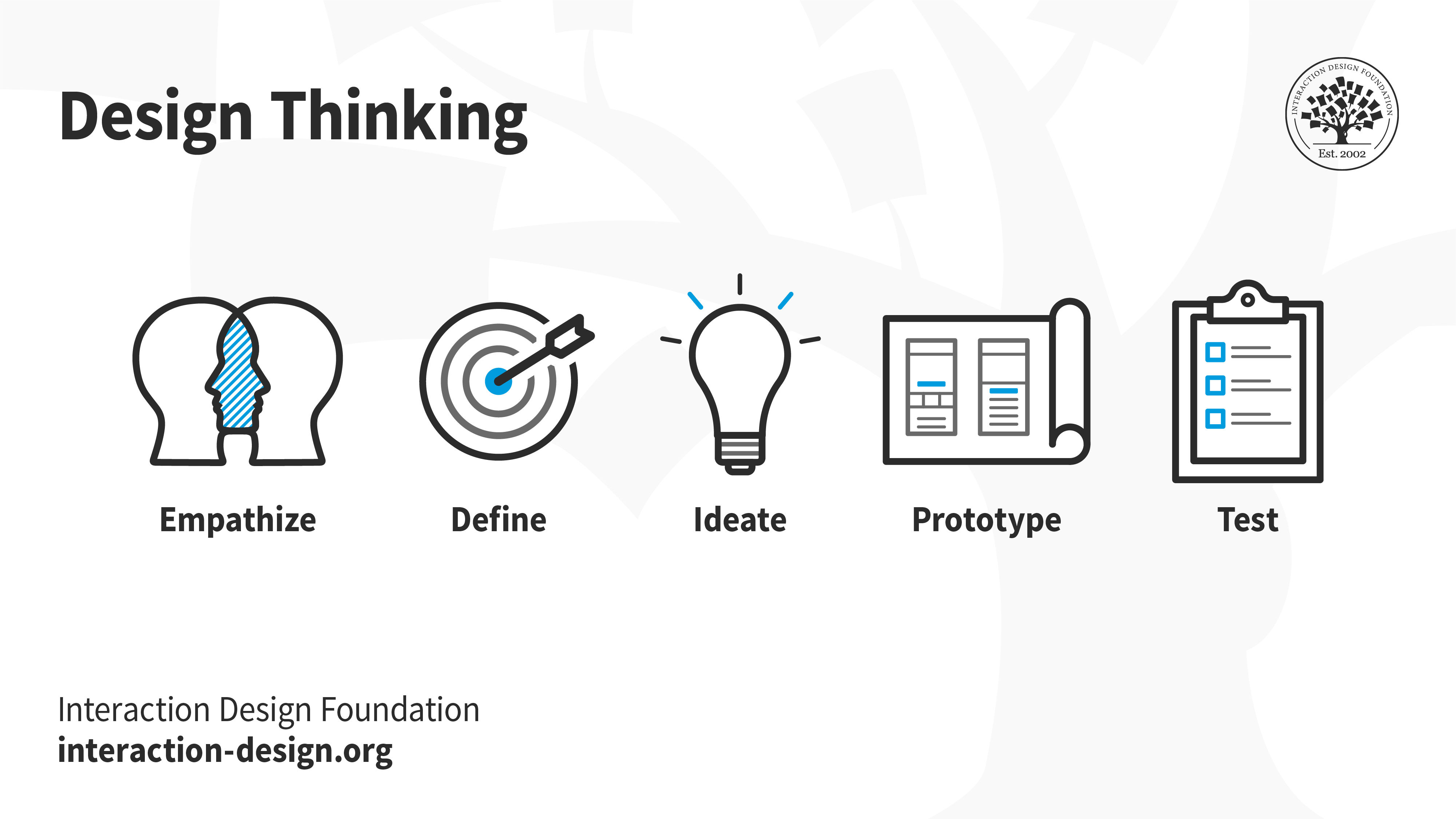
The Five Stages of Design Thinking
1. Empathize: Deep User Understanding
# User Research Data Aggregation
class UserResearchAnalyzer:
    def __init__(self, research_data):
        self.data = research_data

    def extract_insights(self):
        # Aggregate and analyze user research data
        pain_points = self.analyze_common_challenges()
        behavioral_patterns = self.identify_user_behaviors()

        return {
            'pain_points': pain_points,
            'behavioral_patterns': behavioral_patterns
        }

    def conduct_interviews(self, interview_questions):
        # Structured interview methodology
        pass
2. Define: Problem Framing
# Problem Statement Generator
def generate_problem_statement(research_insights):
    return f"""
    Challenge: {research_insights['primary_challenge']}
    Target User: {research_insights['user_persona']}
    Key Needs: {', '.join(research_insights['user_needs'])}
    Current Limitations: {', '.join(research_insights['current_limitations'])}
    """
3. Ideate: Generative Solution Discovery
# Collaborative Ideation Framework
class IdeationWorkshop:
    def __init__(self, participants):
        self.participants = participants
        self.ideas = []

    def brainstorm(self, problem_statement):
        # Multiple ideation techniques
        techniques = [
            self.brainwriting,
            self.reversal_technique,
            self.mind_mapping
        ]

        for technique in techniques:
            self.ideas.extend(technique(problem_statement))

        return self.evaluate_ideas()

    def evaluate_ideas(self):
        # Multi-criteria idea evaluation
        pass
4. Prototype: Rapid Solution Validation
// Prototype Iteration Management
interface Prototype {
  version: number;
  features: string[];
  complexity: "low" | "medium" | "high";
}

class PrototypeManager {
  private prototypes: Prototype[] = [];

  createPrototype(features: string[]): Prototype {
    const newPrototype: Prototype = {
      version: this.prototypes.length + 1,
      features,
      complexity: this.calculateComplexity(features),
    };

    this.prototypes.push(newPrototype);
    return newPrototype;
  }

  private calculateComplexity(features: string[]): "low" | "medium" | "high" {
    // Complex logic for assessing prototype complexity
  }
}
5. Test: Continuous Learning
# User Testing and Feedback Analysis
class UserTestingFramework:
    def __init__(self, prototype):
        self.prototype = prototype

    def conduct_usability_test(self, test_scenarios):
        results = []
        for scenario in test_scenarios:
            user_experience = self.simulate_user_interaction(scenario)
            results.append(user_experience)

        return self.analyze_test_results(results)

    def analyze_test_results(self, results):
        # Comprehensive test result interpretation
        pass
Advanced Techniques and Tools
Persona Development
- Demographic analysis
- Psychographic profiling
- Behavioral mapping
- Empathy mapping
Innovation Frameworks
- Jobs-to-be-Done theory
- Value Proposition Canvas
- Business Model Canvas
- Lean Startup methodology
Organizational Implementation
Design Thinking Culture
- Leadership commitment
- Cross-functional training
- Safe-to-fail experimentation environments
- Continuous learning infrastructure
Technology Integration
- AI-powered user research tools
- Collaborative design platforms
- Virtual/Augmented reality prototyping
- Advanced data visualization
Best Practices
- Embrace radical collaboration
- Maintain user-centricity
- Practice radical empathy
- Develop comfort with ambiguity
- Iterate rapidly
- Balance creativity with pragmatism
Conclusion
Design thinking is not just a methodology—it’s a mindset that transforms how organizations approach complex challenges, driving meaningful innovation.
Recommended Learning Path
- Master facilitation techniques
- Study human-centered design principles
- Practice interdisciplinary collaboration
- Develop systematic creativity skills
- Explore emerging design technologies
Loading comments...